India has emphasised the need for enhanced defence collaboration with the Association of Southeast Asian Nations (ASEAN), with proposals covering counter-drone technology, maritime security, defence equipment and joint research.
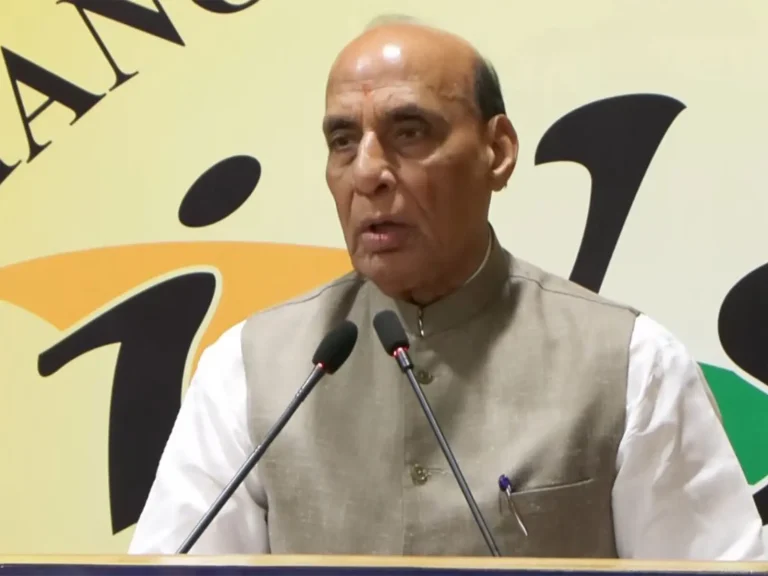
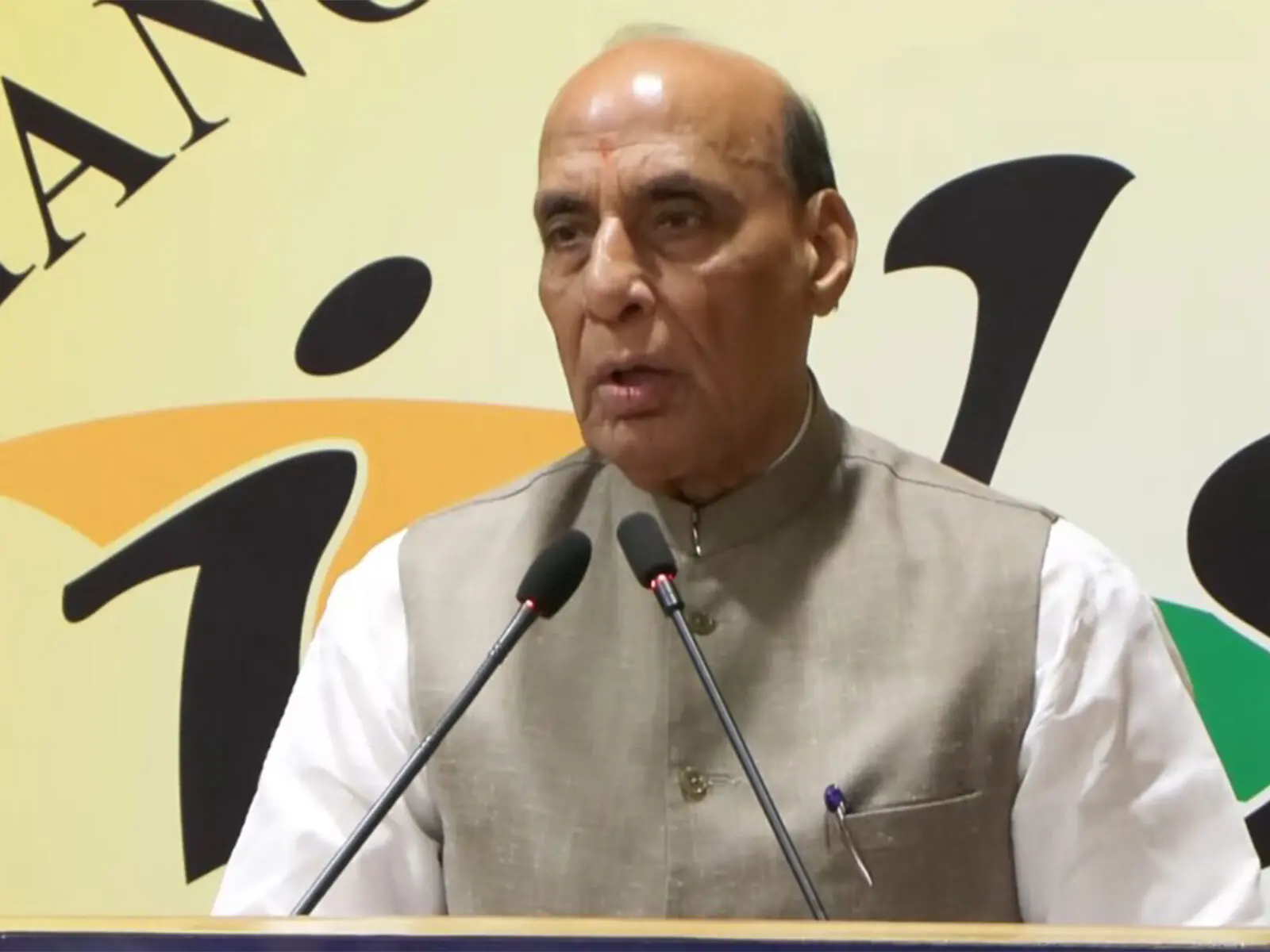
Defence Minister, Rajnath Singh called for greater trust, respect for sovereignty, adherence to international law and continued dialogue to address conventional and emerging cross-border threats. He said India sought an Indo-Pacific in which countries, irrespective of size, could make their own choices, protect their interests and pursue development peacefully. He also outlined the areas for cooperation at the maiden ASEAN-India Defence Think Tank Forum on 14 October 2026.
Maritime Security
India and ASEAN share an interest in peace, stability, prosperity and an open and inclusive Indo-Pacific, Singh said. He linked India’s regional approach to its Act East policy and its Security and Growth for All in the Region (SAGAR) and Mutual and Holistic Advancement for Security and Growth Across Regions (MAHASAGAR) visions.
Singh said the region faces strategic competition and threats from terrorism, cybercrime, piracy, trafficking, illegal fishing, climate-related disasters and risks to vital supply chains. Singh called for greater cooperation to address these challenges. He identified the Indian Ocean and Southeast Asian waters as a connected maritime space that supports trade, energy flows, movement of people and essential goods. Stronger maritime domain awareness, interoperability and cooperation in underwater awareness would be important to maintaining a stable, rules-based maritime order.
With 2026 designated as the ASEAN-India Year of Maritime Cooperation, the Indian Defence Minister called for better maritime information-sharing, stronger cooperation between navies and coast guards, and joint responses to emergencies. He also urged cooperation against piracy, trafficking and illegal fishing in accordance with international law.
Joint Defence Technology and Industry Partnerships
Singh said Artificial intelligence (AI), drones, cyber capabilities and space-based systems are becoming increasingly important to defence. Singh noted that recent conflicts had demonstrated how relatively low-cost drones could challenge expensive defence systems, highlighting the need for practical, affordable and adaptable solutions. India’s Innovations for Defence Excellence (iDEX) initiative and Technology Development Fund (TDF) offer avenues for collaboration with innovators on defence requirements, he added.
Potential areas for joint work include counter-drone systems, cyber defence, maritime surveillance and disaster response. Singh also proposed joint research projects, shared testing opportunities, exchanges among young researchers and innovation challenges focused on clearly defined problems.
India is ready to explore defence industrial cooperation with ASEAN partners in areas such as patrol vessels, radars, air-defence systems, helicopters, drones and other technologies. The scope of cooperation would depend on each country’s needs and priorities. Singh said the Aatmanirbhar Bharat initiative focuses on building domestic capabilities but does not mean working in isolation. It can create opportunities for trusted partners to design, build, maintain and improve equipment together.
Proposed areas of cooperation include co-development, co-production, maintenance, repair and overhaul, training and long-term technical support. Singh said these arrangements could build local skills, support industry and improve supply-chain reliability. He called for clear requirements, reliable after-sales support, appropriate technology safeguards and a fair sharing of responsibilities and benefits.
Think Tanks Set Research Agenda
Singh also proposed a joint India-ASEAN research agenda covering maritime security, cyber threats, emerging technologies, disaster response and defence-industry cooperation. Other suggested outcomes included researcher exchanges, fellowships, visiting programmes and joint publications.
Potential pilot projects include a tabletop exercise on maritime disaster response, a joint study on counter-drone solutions and research into secure maritime information-sharing. Singh also called for Track 1.5 and Track 2 dialogues to allow researchers, practitioners and policymakers to continue discussions between formal meetings.
He proposed preparing recommendations that identify institutions responsible for taking them forward, with progress reviewed at a future meeting. Humanitarian Assistance and Disaster Relief (HADR) was another area highlighted at the forum. Singh said cyclones, floods, rising sea levels and extreme weather could damage ports, disrupt trade and threaten lives and livelihoods. He called for countries to exchange best practices and improve coordination before a crisis occurs.
Close Partnership in Maritime Security Essential
Malaysian Institute for Defence and Security (MiDAS) chief executive Vice-Admiral Yusne Mokhtar said a close partnership with India is not only a good choice but also “essential.” Calling for greater cooperation between Malaysia and India amid growing maritime rivalry among major powers, he said maritime security could not be separated from economics, technology, international law or geopolitics. “What happens at sea directly impacts our economies and communities. Today, many nations, including global superpowers and emerging states, are expanding their presence in our waters. While this brings opportunities for trade, it also creates competition,” Yusne said.
“Our core duty as ASEAN and regional partners is clear: we must manage this competition wisely. We must avoid overlap, prevent unnecessary rivalry and expand real cooperation so that the wealth of our oceans is shared fairly and sustainably,” he added.
Without clear rules and mutual respect, competition can turn into a zero-sum game where stronger actors seek an unfair advantage, Yusne said in his speech. “We must ensure that no single power dominates these waters and that all nations respect the rules that keep the peace,” he said.
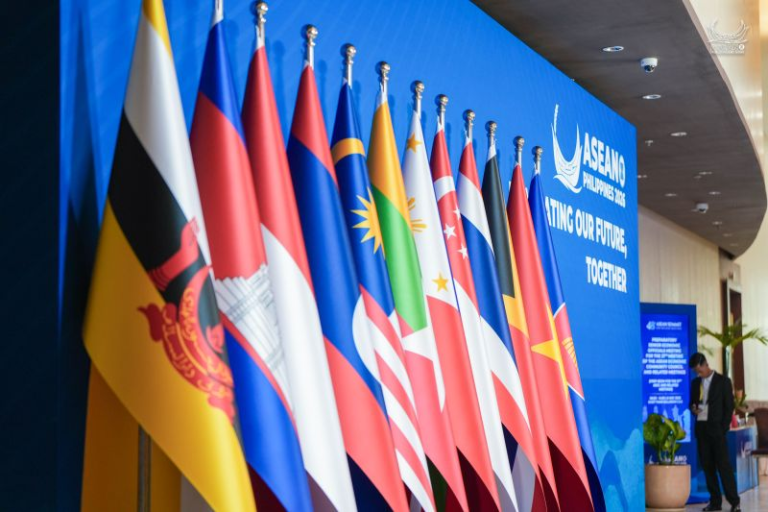
The MiDAS chief spoke at the ASEAN-India Defence Think-Tank Forum organised by India’s Manohar Parrikar Institute for Defence Studies and Analyses. The conference aims to strengthen engagement between India and ASEAN member states in the field of defence and security.
Yusne said ASEAN and India oversee vast maritime areas, making the protection of sea lines of communication a top operational priority. “Recent disruptions at global chokepoints like the Strait of Hormuz show how quickly a distant crisis can threaten global energy supplies, food security, and trade,” he said.
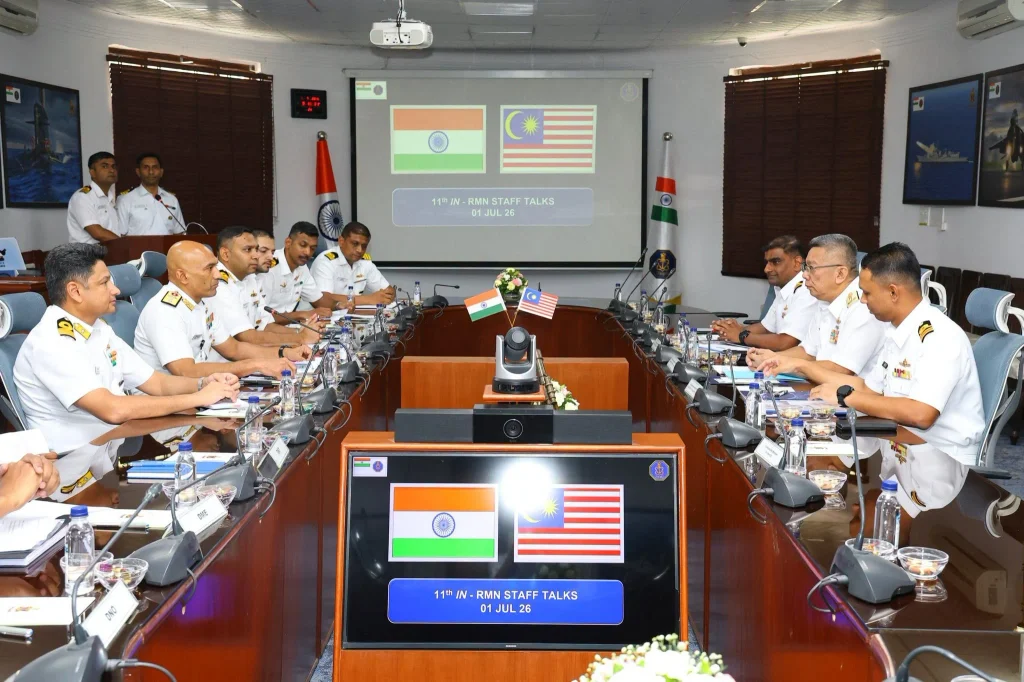
Yusne said India offers vast opportunities in technology, defence, the blue economy and regional connectivity, but a clear purpose and vision were needed to strengthen the India-ASEAN partnership. “As major-power competition grows across our region, ASEAN and India must continue to cooperate with a clear vision,” he said. – GDA (Photo IN/RMN)
About the Author